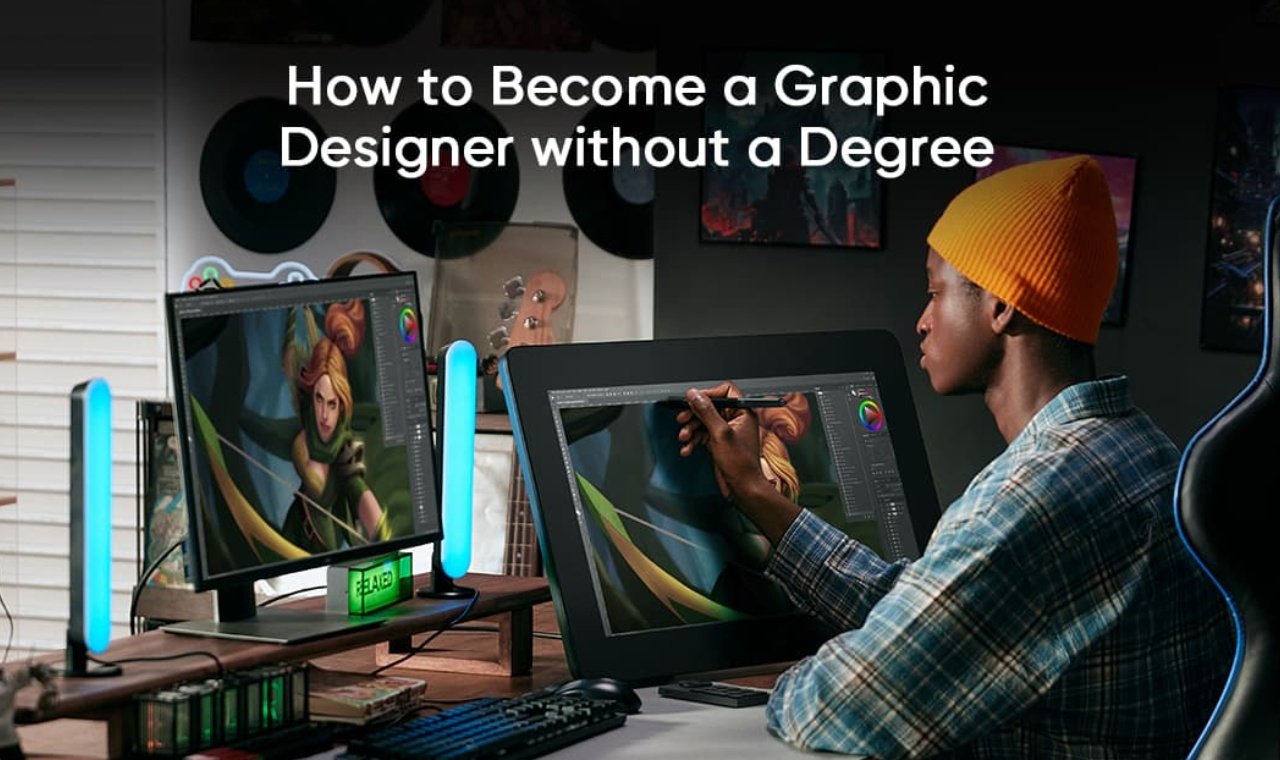
You can become a graphic designer without a degree by building real skills, creating a strong portfolio, and proving your ability through work instead of credentials.
In design, clients and employers care far more about what you can do than where you studied. A degree can help, but it is not required. Many successful designers are self-taught and built their careers through consistent practice and real-world work.
Proof beats qualification.
Step 1: Learn the Fundamentals First
Before jumping into tools, understand the basics:
- Typography
- Color theory
- Layout and composition
- Spacing and alignment
- Visual hierarchy
These principles define good design.
Tools don’t make a designer. Understanding does.
Step 2: Learn Design Tools
You need to become comfortable with industry tools such as:
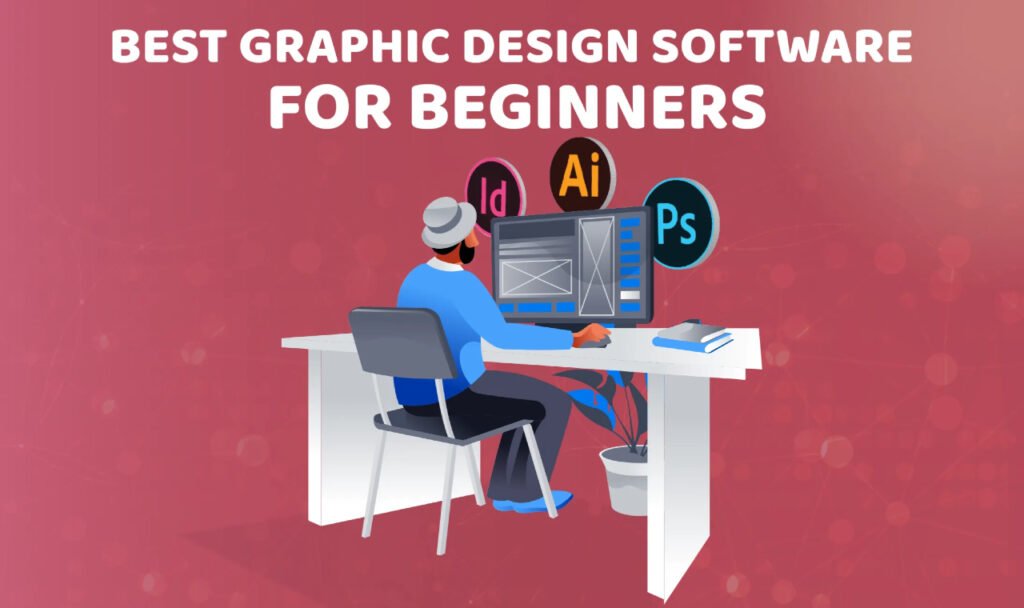
- Adobe Photoshop
- Adobe Illustrator
- Adobe InDesign
- Figma
Start with one tool and build confidence.
Focus on using tools to apply design principles, not just learning features.
Step 3: Practice With Real Projects
Skill comes from doing, not watching tutorials.
Start creating:
- Logo concepts
- Social media posts
- Posters
- Website layouts
- Branding ideas
You can:
- Redesign existing brands
- Create fictional projects
- Work on small real tasks
Consistency builds skill.
Step 4: Build a Strong Portfolio
Your portfolio matters more than anything else.
It should:
- Show 5 to 10 strong projects
- Highlight your best work
- Explain your thinking briefly
- Reflect your style and direction
Quality matters more than quantity.
A clean, focused portfolio builds trust.
Step 5: Learn Basic Branding and Marketing
Graphic design is not just visuals.
Understanding:
- Brand positioning
- Audience targeting
- Marketing goals
helps you create more effective work.
Design that supports business goals is more valuable.
Step 6: Start Getting Real Work
You don’t need to wait until you feel “ready.”
Start with:
- Small freelance projects
- Local businesses
- Friends or referrals
- Online platforms
Even low-budget work helps you gain:
- Experience
- Confidence
- Portfolio pieces
Real projects teach faster than practice alone.
Step 7: Choose a Direction
Graphic design is broad.
You can specialize in:
- Branding
- Social media design
- Web design
- UI/UX
- Packaging
Specialization helps you stand out.
Generalists struggle to position themselves.
Step 8: Build an Online Presence
Visibility brings opportunities.
Create:
- A simple portfolio website
- A presence on platforms like Behance or LinkedIn
- Case studies showing your work
If people can’t find you, they can’t hire you.
Step 9: Improve Communication Skills
Designers don’t just create. They explain.
You should be able to:
- Present your ideas clearly
- Handle feedback professionally
- Guide clients when needed
Communication builds trust.
Step 10: Keep Improving Over Time
Design is a long-term skill.
To grow:
- Study other designers
- Analyze good design
- Practice regularly
- Refine your style
Progress comes from consistency.
What Most People Get Wrong
Common mistakes:
- Focusing only on tools
- Avoiding real projects
- Waiting too long to start freelancing
- Trying to do everything instead of specializing
- Ignoring the business side
Action matters more than perfection.
How This Connects to Real Growth
Design careers grow when skill meets visibility.
Designers who:
- Show their work
- Build portfolios
- Position themselves clearly
get more opportunities than those who stay hidden.
How RanksGiving Supports Creative Growth
At RanksGiving, growth is built through structured visibility.
For designers, this means:
- Portfolio websites that attract traffic
- Clear positioning of services
- Content that builds authority
- Systems that convert visitors into clients
Skill creates opportunity. Structure captures it.
The Practical Takeaway
To become a graphic designer without a degree:
- Learn the fundamentals
- Practice consistently
- Build a strong portfolio
- Start working with real clients
- Develop a clear direction
You don’t need a degree.
You need proof.