
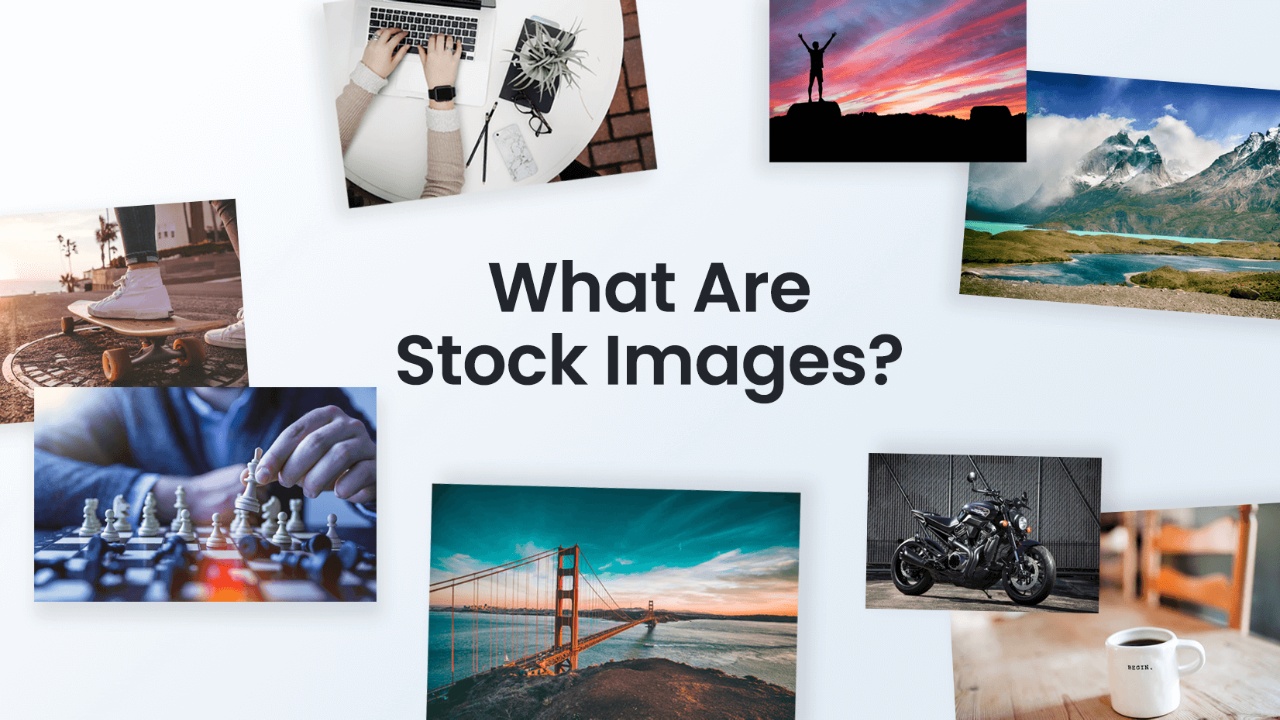
Stock photos are professionally created images that designers can license and use in projects instead of creating original photographs.
In graphic design, stock photos are used to enhance visuals, communicate ideas quickly, and support branding when custom photography is not available. They are sourced from stock photography platforms and can be licensed for commercial or personal use.
Stock photos save time, but they must be used strategically.
What Exactly Is a Stock Photo?
A stock photo is:
- A pre-shot, high-quality image
- Uploaded to a stock platform
- Licensed for reuse
- Available for download by designers
Instead of organizing a photoshoot, designers can search large libraries for relevant visuals.
These images often cover themes like:
- Business environments
- Technology
- Nature
- Lifestyle
- Abstract backgrounds
- Product mockups
They are designed to be versatile.
Why Graphic Designers Use Stock Photos
Stock photos are commonly used because they:
- Reduce production costs
- Save time
- Offer professional quality
- Provide visual variety
- Support tight deadlines
For example, if a designer needs an image of a corporate meeting, using a stock photo may be faster than arranging a photoshoot.
Efficiency is often the reason.
Types of Stock Photo Licenses
Understanding licensing is essential.
Most stock photos fall under:
Royalty-Free
Pay once, use multiple times within license terms.
Rights-Managed
Pricing depends on usage, duration, and distribution.
Free Stock
Available without cost but may have attribution requirements or usage limits.
Using images without proper licensing can create legal risks.
When Stock Photos Work Well
Stock photos are effective when:
- Used as background elements
- Supporting blog content
- Enhancing social media posts
- Creating marketing materials
- Filling conceptual visual needs
They are especially useful for small businesses without photography budgets.
When Stock Photos Can Hurt Design
Overused or generic stock photos can:
- Make branding look impersonal
- Reduce authenticity
- Appear staged or artificial
- Blend into competitors’ visuals
Many businesses use similar images from the same libraries.
Original photography often strengthens brand identity.
How to Use Stock Photos Effectively
To avoid generic design, designers should:
- Customize colors and overlays
- Crop creatively
- Combine with strong typography
- Choose images aligned with brand tone
- Avoid overly staged visuals
Stock photos should enhance the message, not dominate it.
Stock Photos vs Custom Photography
Stock Photos:
- Affordable
- Quick
- Accessible
- Generic if overused
Custom Photography:
- Unique
- Brand-specific
- More authentic
- Higher cost
The right choice depends on budget, branding goals, and project scope.
How RanksGiving Approaches Visual Strategy
At RanksGiving, visuals are chosen based on:
- Brand positioning
- Audience expectations
- Conversion clarity
- Professional credibility
Stock photos are used strategically when appropriate, but originality is prioritized when branding requires distinction.
Visual decisions must support business goals.
The Practical Takeaway
Stock photos are licensed images used in graphic design to support visual communication.
They are efficient and practical but must be selected carefully to avoid generic branding.
When used strategically, stock photos enhance design.
When used carelessly, they weaken identity.