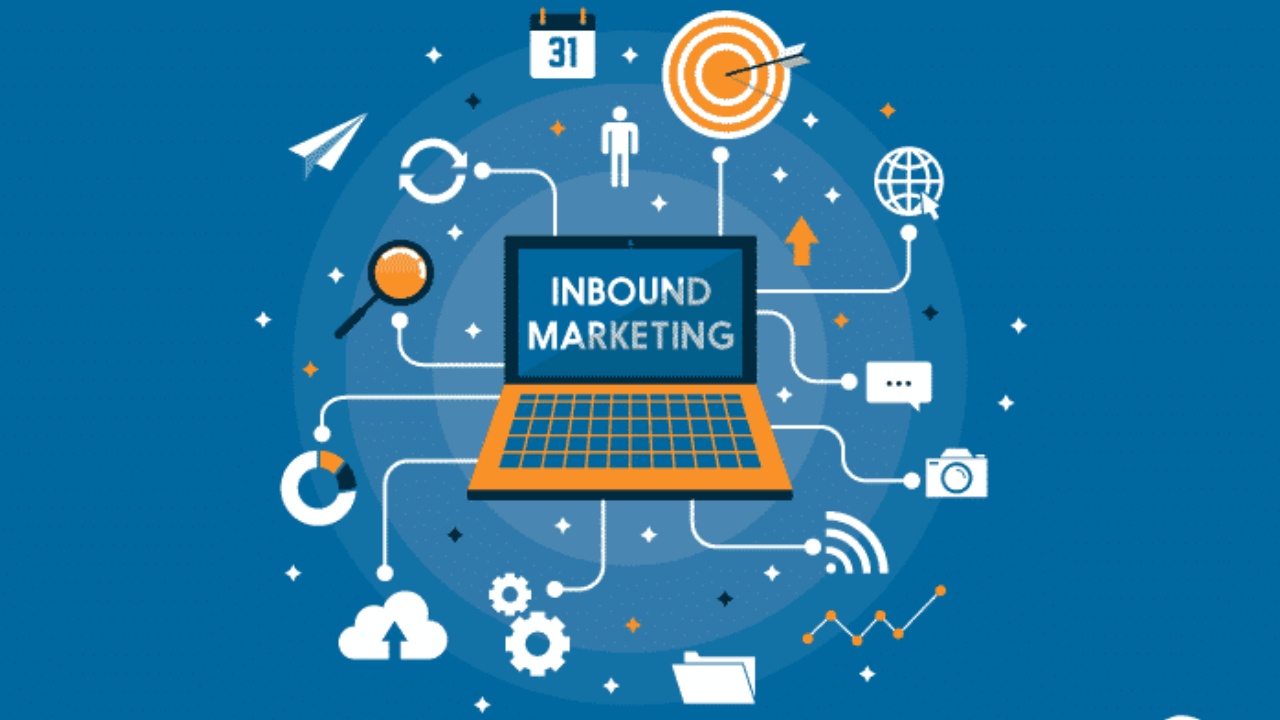
Inbound marketing is about attracting people instead of chasing them.
It’s permission-based. Value-first. Relationship-driven.
1️⃣ Attract the Right Audience
Don’t try to reach everyone.
Define:
- Who is your ideal customer?
- What problems do they have?
- What are they searching for?
You attract them through:
- SEO blog content
- Social media content
- Educational videos
- Lead magnets
👉 The goal: bring qualified traffic, not random traffic.
2️⃣ Provide Value Before Asking for Anything
Inbound is built on trust.
Give:
- Helpful guides
- Case studies
- Tutorials
- Free tools
- Insights
When you solve problems first, people naturally trust you later.
3️⃣ Convert Traffic into Leads
Traffic alone means nothing.
You need:
- Clear CTAs
- Landing pages
- Email opt-ins
- Offers aligned with user intent
If someone reads an SEO blog, offer a relevant checklist.
Not something unrelated.
4️⃣ Nurture with Relevance
Not everyone buys immediately.
Use:
- Email sequences
- Retargeting ads
- Educational follow-ups
The key principle:
Right message → right person → right time.
5️⃣ Delight and Retain
Inbound doesn’t stop at purchase.
Retention is cheaper than acquisition.
- Great onboarding
- Helpful post-purchase emails
- Strong customer support
- Community building
Happy customers become promoters.
Basic Principles of Digital Marketing
Digital marketing is broader. It includes inbound and outbound tactics.
Here are the foundations:
1️⃣ Audience-Centric Thinking
Marketing is not about you.
It’s about:
- User intent
- Pain points
- Buying triggers
- Behavior data
If your messaging doesn’t connect emotionally or logically, it fails.
2️⃣ Data-Driven Decisions
Everything online is measurable:
- CTR
- CVR
- CPC
- Traffic sources
- Funnel drop-offs
If you’re not measuring, you’re guessing.
3️⃣ Multi-Channel Presence
People don’t live in one place online.
You need alignment across:
- Website
- SEO
- Paid ads
- Social media
- Content
But messaging must stay consistent.
4️⃣ Clear Funnel Structure
Digital marketing works best with a funnel:
Awareness → Consideration → Decision → Retention
Each stage needs different content and offers.
5️⃣ Conversion Optimization
Getting traffic is easy.
Getting conversions is skill.
Focus on:
- Strong headlines
- Clear value propositions
- Social proof
- Simple checkout
- Fast-loading pages
Small tweaks can double results.
6️⃣ Long-Term Brand Building
Short-term ads bring spikes.
Brand trust builds stability.
Consistency matters:
- Visual identity
- Tone
- Authority positioning
- Regular content
The Core Difference
Inbound marketing = pull strategy (attract through value).
Digital marketing = the full ecosystem (SEO, ads, email, social, analytics, CRO).
Inbound is a philosophy.
Digital is the toolbox.