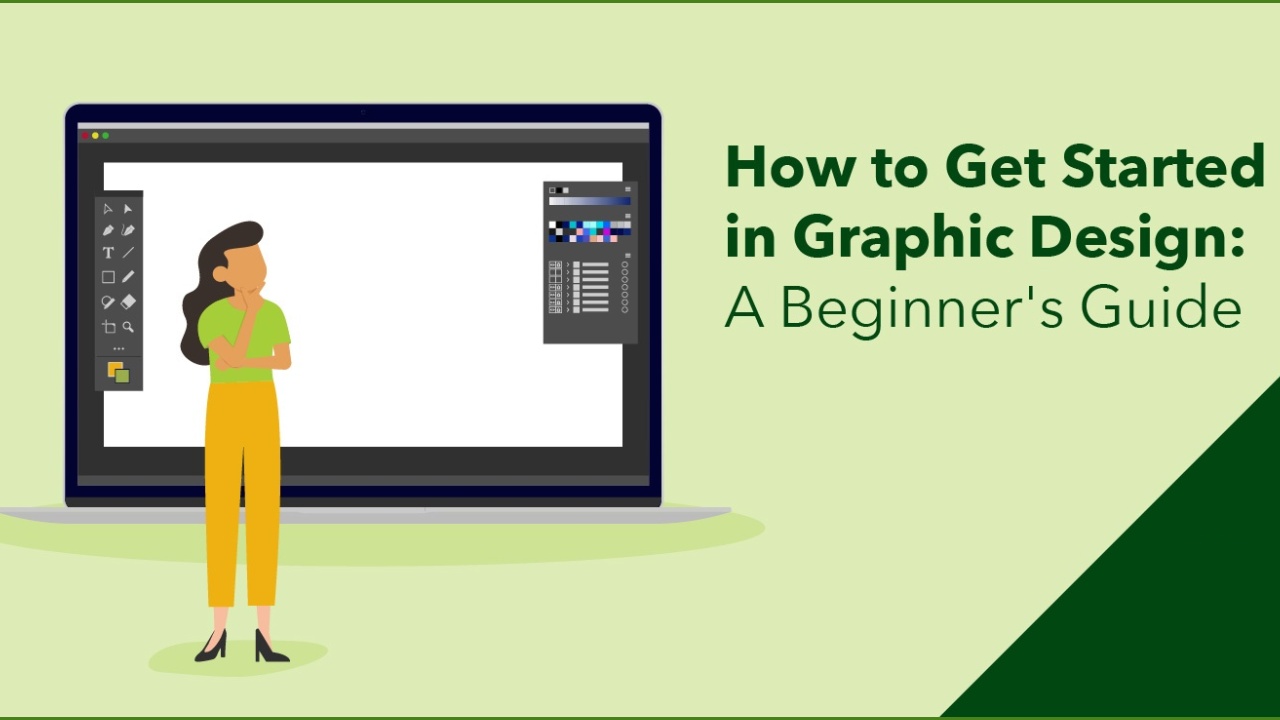
To get into graphic design, you need foundational skills, consistent practice, a focused portfolio, and a clear direction on where you want to apply your creativity.
Graphic design is not just about making visuals look appealing. It is about solving communication problems through typography, layout, color, and composition. The path into design is flexible. You can enter through formal education, self-learning, or practical experience.
What matters most is skill development and proof of capability.
Step 1: Understand What Graphic Design Really Is
Graphic design involves:
- Visual communication
- Branding systems
- Layout structure
- Typography control
- Color psychology
- Marketing collateral
- Digital interface design
Before diving into tools, understand that design serves purpose. It supports clarity, persuasion, and brand identity.
Step 2: Learn the Fundamentals
You do not need expensive equipment to begin.
Start with core principles:
- Typography hierarchy
- Grid systems
- Color balance
- White space usage
- Visual alignment
- Contrast and readability
Mastering fundamentals separates professionals from hobbyists.
Online courses, YouTube tutorials, and structured learning platforms can build this foundation.
Step 3: Learn Design Software
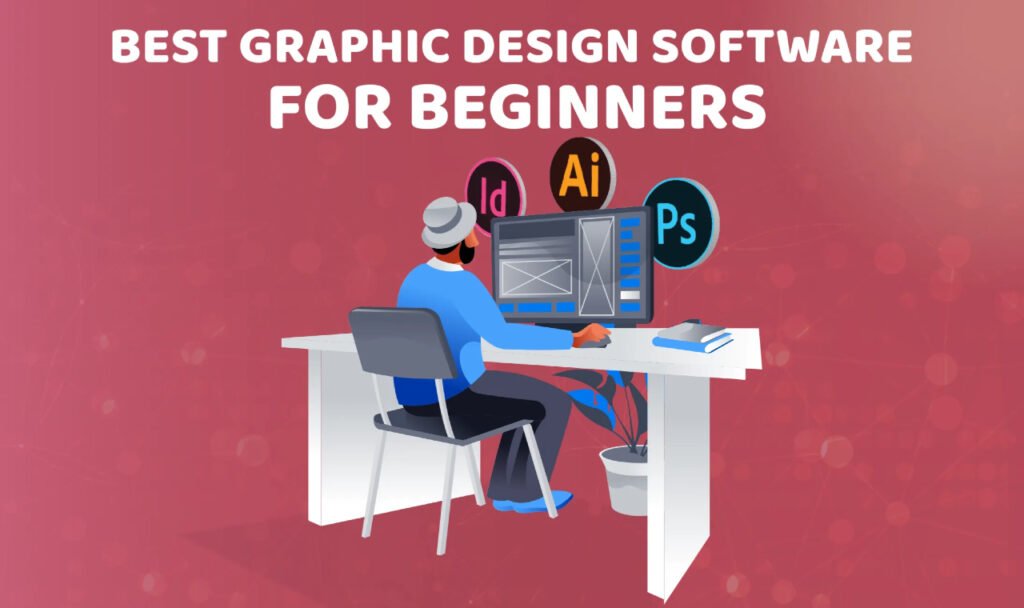
Most graphic designers use tools such as:
- Adobe Photoshop
- Adobe Illustrator
- Adobe InDesign
- Figma
Start with one tool and become comfortable before expanding.
Software is a tool, not the skill itself. Focus on principles first.
Step 4: Practice Through Projects
Skill improves through repetition.
Create:
- Logo concepts
- Social media designs
- Poster layouts
- Brand mockups
- Packaging concepts
You can redesign existing brands for practice. The goal is to develop visual decision-making skills.
Step 5: Build a Focused Portfolio
Your portfolio is your entry ticket.
It should:
- Show 5 to 10 strong projects
- Explain the objective behind each design
- Demonstrate problem-solving
- Reflect your current skill level
Quality matters more than quantity.
Even concept projects are acceptable if executed professionally.
Step 6: Choose a Direction
Graphic design has multiple paths:
- Branding and identity
- Social media design
- UI/UX design
- Packaging design
- Print design
- Motion graphics
Choosing a direction helps refine your portfolio and attract relevant opportunities.
Specialization increases clarity.
Step 7: Gain Real-World Experience
Experience builds confidence and credibility.
You can:
- Offer services to small businesses
- Work on freelance platforms
- Collaborate with marketing agencies
- Intern with design studios
- Volunteer for nonprofit projects
Real client work improves communication and workflow management.
Step 8: Learn the Business Side
If you plan to freelance, understand:
- Pricing structure
- Contracts
- Client communication
- Revision management
- Project timelines
Creative skill alone does not sustain a career. Professional structure does.
Step 9: Build Online Presence
As a designer, visibility matters.
You can showcase your work on:
- Personal website
- Behance
- Dribbble
A structured digital presence increases credibility and opportunities.
How RanksGiving Supports Creative Growth
For designers who want to scale beyond freelancing, structured digital presence becomes critical.
RanksGiving focuses on:
- Strengthening portfolio visibility
- Optimizing websites for search
- Building authority-driven content
- Aligning creative services with conversion strategy
Talent opens doors. Structured visibility expands them.
The Practical Takeaway
To get into graphic design:
- Learn fundamentals
- Master core tools
- Practice consistently
- Build a strong portfolio
- Choose a specialization
- Gain real-world experience
Graphic design rewards clarity, discipline, and creative problem-solving.
The sooner you start building and refining, the faster you grow.